You may have noticed more and more server hosts offering SSDs, otherwise known as solid state drives. This new type of hard drive has been increasing in popularity over the last couple of years.


You may have noticed more and more server hosts offering SSDs, otherwise known as solid state drives. This new type of hard drive has been increasing in popularity over the last couple of years.


The AWS Free Tier promises to let you access the AWS platform, products, and services. While this may seem enticing, it can actually harm your organization in the long run.

Recently, our Web Hosting News Report included a story on how executives are more concerned about Amazon than Trump. Here, we wanted to take a deeper look at that.

Almost all server hosts will provide server spec sheets with their servers. Some display them prominently, while others you’ll have to ask for one from their sales or support team.

Whether you’re a VC funded SaaS startup or a bootstrapped eCommerce startup, you need a server. And, when a server runs your mission-critical services, you need to be sure you’ve picked the best option.
Startups are unique as businesses and so their needs for a server will also be unique. Here’s what you need to know if you’re the founder of a startup and are looking for your next server.
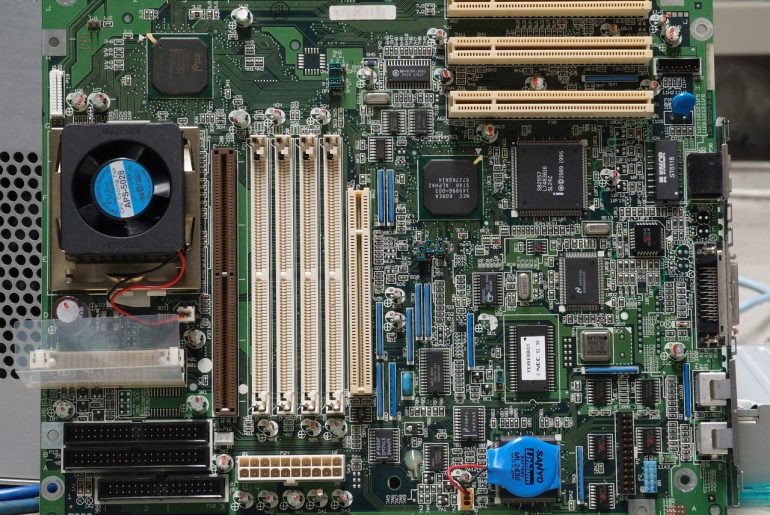
DDR4 RAM stands for double data fourth generation random-access memory. It was first introduced in 2014. The new generation spent 9 years in development, with development starting in 2005.

One of the trickiest parts of choosing your first dedicated server is knowing how many resources you’ll need. Veteran server users can predict resource usage relatively easily, but it’s different for new server owners.
This is even truer if you’re creating a new app or website where usage data is either non-existent or limited. So how can you estimate resources needed in these situations?

We’ve already seen that businesses are making the move from cloud hosting companies like AWS to small dedicated server hosts. But, if you’re considering making the switch from the cloud to dedicated servers, you need to be prepared.
Here’s everything you need to know to make the transition seamless.

The concerns which individuals and organizations are having towards the public cloud are shifting. Where in previous years data security and costs were a major concern – there’s a new fear: Vendor Lock-in.
First, we need to analyze: what is vendor lock-in, and how it affects you. Then we can look at how to combat the problem, and what are your options moving forward.