Having a website online means that somewhere out there is a server it’s being hosted on. A server is basically a very specific type of computer that stores the information necessary to define a website. When someone types in the URL for your site or otherwise click on a link to it, the server provides the user’s computer with the necessary information for visiting that site. This can help you get an income.
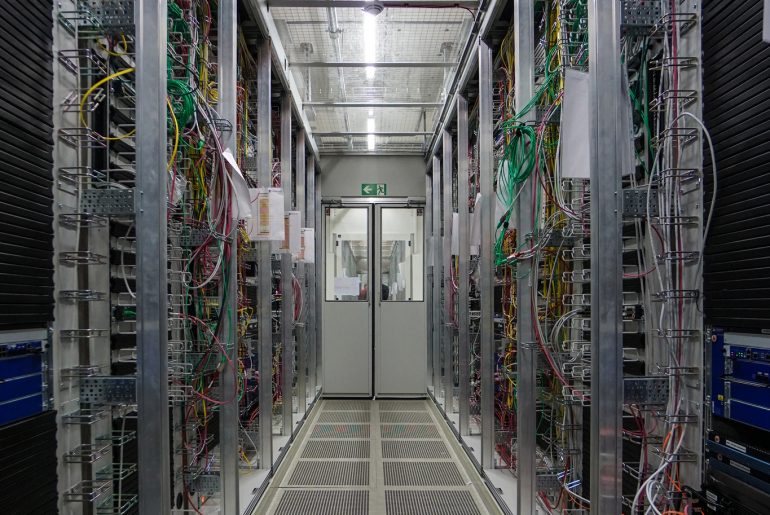
By now, you’ve probably heard a lot being made of the cloud. That term just refers to the virtual landscape now available for much of our computing needs. From document storage to running software, the cloud can seemingly do just about anything. Now that list includes hosting, as well. Cloud servers hold some major advantages you should probably know about.
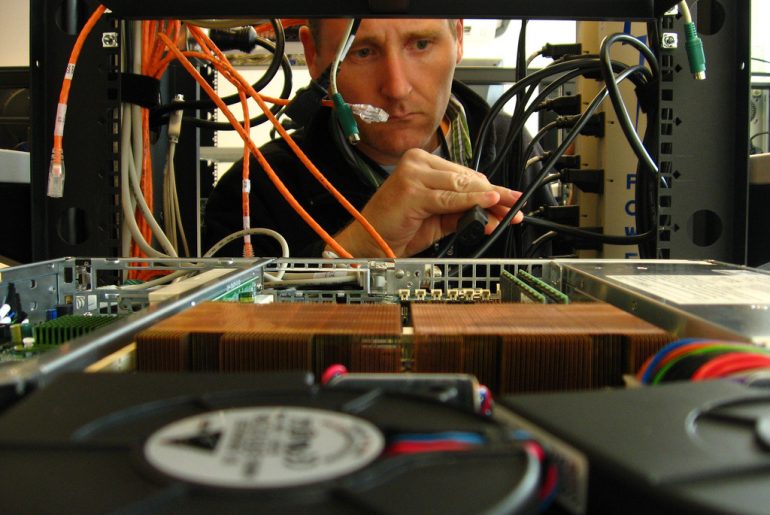
A lot of people forget that a server is nothing more than another type of computer. But, depending on the type of server, it can be set up very different from your average consumer PC. Let’s take a look at the key components of a server:
One of the biggest trends in computing at the moment is the cloud. Sure, it’s technically been around for forever, but in the past five years or so, it’s been something that more and more of the public have been able to adopt. The cloud has also increased its reach, meaning a number of different things can now operate in a virtual environment. This includes a server. If you’re in the market for one, you’ve probably heard a lot about the advantages a cloud server could offer. However, there are a number of challenges that will come with this option too.
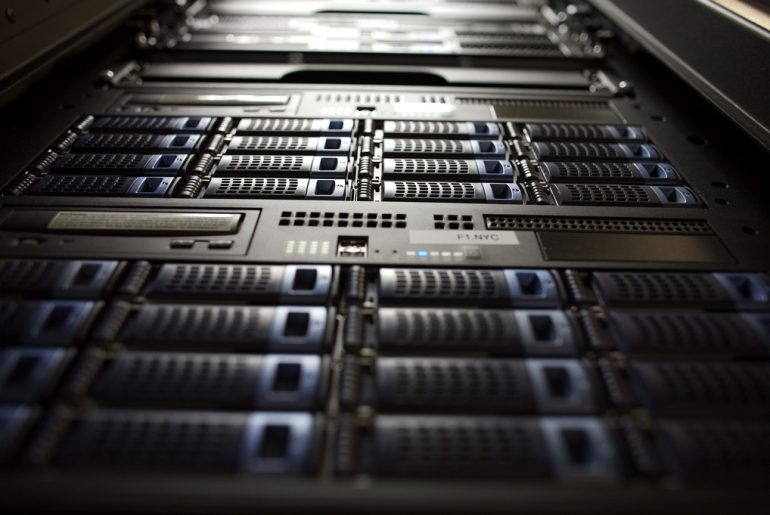
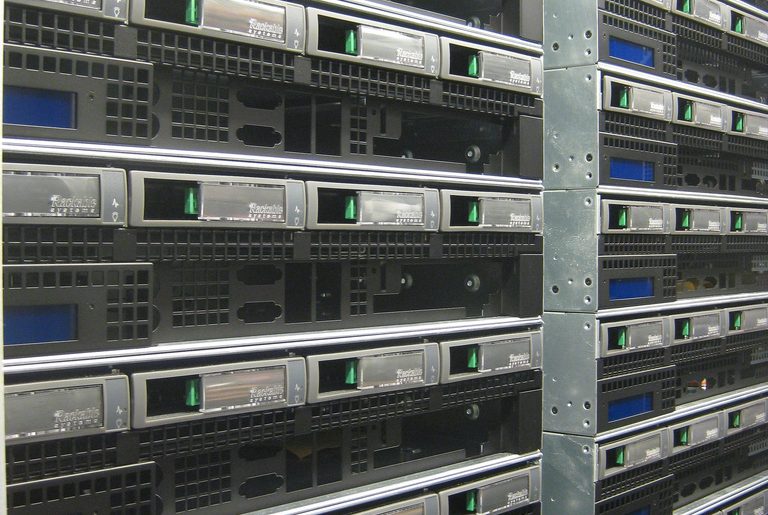
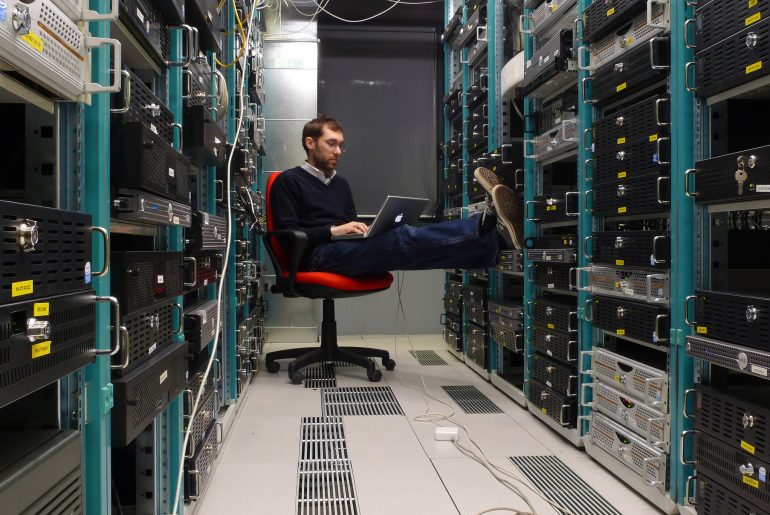
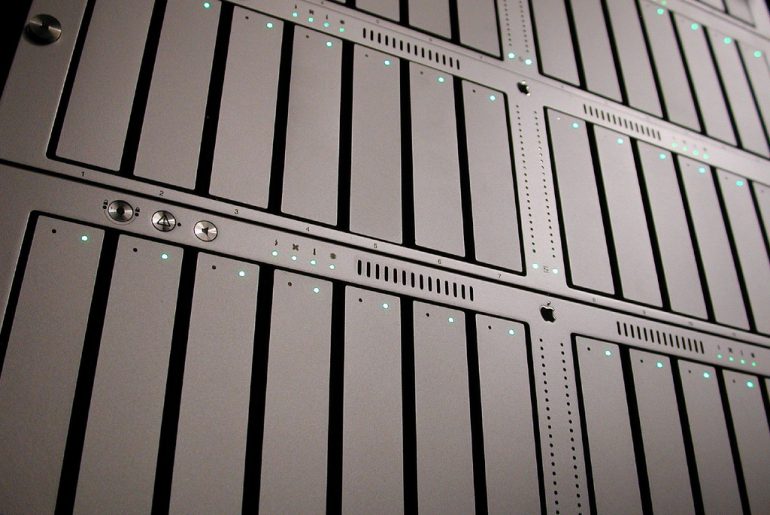
Despite their special purpose, servers are really nothing more than computers. However, that means that, just like computers, there are all kinds of servers out there. One popular version is known as a rack server.
If you’re in the market for hosting services, it’s essential that you understand all the options available to you. Though “hosting†always means the same thing, it’s also become a bit of an umbrella term when you consider all the different versions you can choose from. One method that may make a lot of sense for your company is called colocation.
If you’ve decided that a dedicated server makes the most sense for you or your company, the next decision you have to make is just as important. When you choose the right dedicated server it can be the difference between this becoming a good decision and one that is a complete waste of money.
Most of us have seen so many online ads for hosting that we think we know exactly where to go when the time comes to buy services for ourselves. If you’re trying to support a blog or a very simple eCommerce site, you may not be disappointed. However, if you have a more ambitious dream in mind, then you’ll probably hit some issues with your budget. This is why it might make sense to simply run your own server.
The difference in price between a dedicated server and the typical version probably has you wondering whether or not it’s worth the extra cost. While it’s true that dedicated servers come with a number of benefits, you’ll want to consider them carefully before you spend any money on one for yourself or your company.
Every computer you use runs on an operating system, commonly abbreviated as OS. It makes sense, then, that your dedicated server would need one too. It would also make sense that the OS you choose for your dedicated server will play a huge role in your experience. While there are a number of features to consider about a dedicated server before investing in one, its operating system needs to be a priority.