A lot of people think they’d know if they were hacked. It’s not uncommon for people to believe they were hacked simply because their computer seems to be running slowly or something feels out of the ordinary. The truth, though, is that usually when you’re hacked, there’s no obvious sign. Hackers work hard to ensure their victims are unaware of what has happened until it’s too late, if ever.

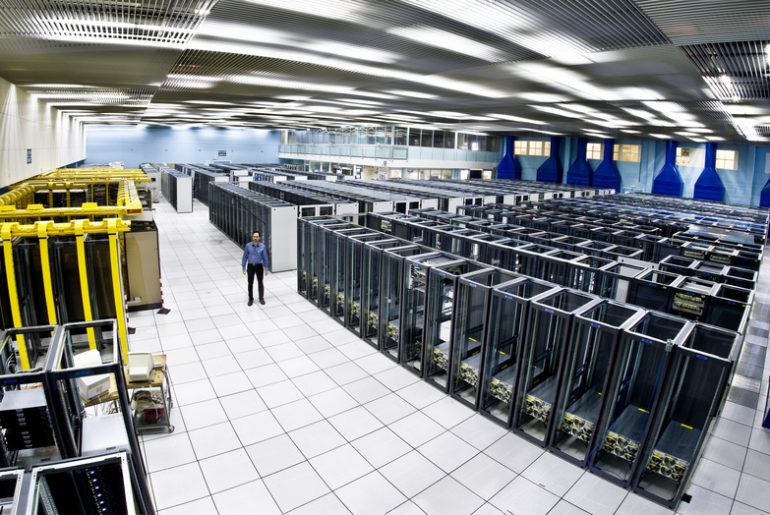
If your company has recently taken on its own server, you have a lot to be happy about. Having a dedicated server comes with all kinds of advantages. And that can make a noticeable difference in your company’s performance.
However, just like with every other form of technology, you need to make sure you’re getting the most from your investment or you could end up doing more harm than good for your business.
Although servers are a necessary feature of every virtual environment, that doesn’t mean they’re always easy to understand. If your company is currently in the market for a server, you may be learning this the hard way at the moment.
Two very popular versions you may be considering are dedicated servers and virtual servers. Both bring a lot to the table, especially if you’ve already decided that shared hosting isn’t going to cut it.
2014 proved to be a year full of memorable headlines. Unfortunately, not all of those headlines were memorable for particularly comforting reasons. Many of the scariest news stories hit close to home for people all over the world because they had to do with digital security. Anybody who relies on a digital security needs to keep security as a priority.
However, server security may be the most important kind to consider. If someone can breach your server’s security, there’s no end to what they could do. A hacker could take control of your website or steal sensitive data related to your customers.
Most people like to think of virtual environments as highly sophisticated areas that are largely immune to minor problems. The truth, unfortunately, is that tiny mistakes in these environments are often responsible for the largest problems. It’s worth considering how some of the following mistakes—as benign as they might sound—could actually be causing big problems. That’s why your virtual machines are under-performing.
If you deal with servers in any way—even if your company simply uses them—you’ve probably heard of server administrators before. Of course, that’s no guarantee that you understand what his job entails. This is perfectly understandable, given the vast terminology that involves servers. However, if you’re curious, the below should provide you with clarification.
Nothing is as important to a computer user as the operating system they choose. Everything from RAM to CPUs is secondary, in terms of usability and when compared to an operating system. That’s because your OS will decide how you interact with everything else a computer has to offer. Keeping that in mind, here are four popular operating systems you may wish to consider.
With 2014 behind us, it’s time to start thinking about the year to come and maybe even set a resolution or two. Unfortunately, there are other things to think about besides the possibilities of another year. While 2014’s headlines were graced more than once by the news of a serious hacker attack, 2015 is gearing up to be another one for the record books, meaning you should consider what’s possible. This hacking trends can help users be aware of what is out there.
Despite all the options out there, Windows servers remain extremely popular for a number of very valid reasons. However, these servers don’t manage themselves. If you follow the below tips, though, managing Windows servers don’t have to be as much of a challenge and many issues you used to face will actually disappear.
Just about every business these days employs some type of database. There, they store anything from sales information to marketing plans to customer data. While all companies with a database understand that they don’t want their competitors seeing what’s inside, many seem to forget that there are other prying eyes they must worry about. Once you appreciate all the threats that exist, consider the following ways of protecting your database from them.