Every company needs a server to host their website. However, many people are confused about what kinds of options exist. To help you make sense of them all, let’s take a look at the three main types that are out there.


Every company needs a server to host their website. However, many people are confused about what kinds of options exist. To help you make sense of them all, let’s take a look at the three main types that are out there.

When you consider just how important a company’s web presence is for all of their digital offerings, it’s easy to contend that one of the most vital components of their entire operation is their server. This is an easy element to take for granted, but the moment it stops working as you need it to, you’ll immediately appreciate why it is so important. For this reason, it’s a good idea to think about when a dedicated server is appropriate. It’s never a bad time to upgrade to one of these servers—it certainly won’t hurt operations—but most of you probably don’t want to spend the money until it’s necessary.
If you’re like most people, you’ve probably considered investing in a dedicated server for your company on more than a few occasions. However, like so many, the discussion probably stopped short when you got to the actual cost. There’s no doubt about it, the cost of a dedicated server is definitely going to put more pressure on your budget than what you’ve been spending in the past.
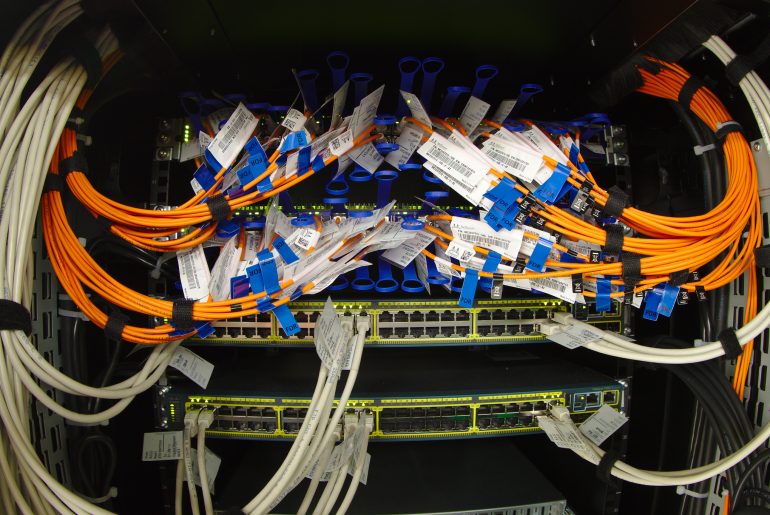
First, consider your home Internet. While it shouldn’t be a problem for most, you’d hate to find out that your Internet connection can’t handle adding a server to it. However, as long as you have a 25 Mbps download/10 Mbps uplink, you shouldn’t have too much trouble in this important regard. That’s if, of course, you plan on keeping the party small. If you’re trying to turn your backyard into The International, you’re going to have problems.

Whether it’s finally time to invest in a server or you’re upgrading from a prior version, it would make sense that your decision would come down to a dedicated server and cloud hosting. Before you pick, though, let’s make sense of both options as best as possible.
P2V stands for physical to virtual, which is why you’ll so often see the word “migration†right behind this acronym. It refers to the process of migrating an OS (operating system) application program and data. This is from your system’s main hard disk over to a virtual machine.
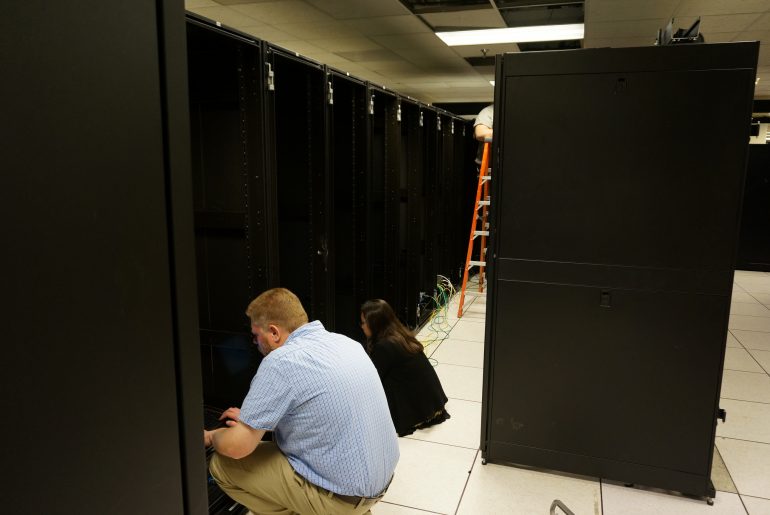
Everyone knows there are countless reasons to utilize this kind of digital asset. Unfortunately, many malicious parties out there are equally excited about your new server too. That’s because, if you don’t take steps to protect it, you’re consolidating a lot of valuable data for them.
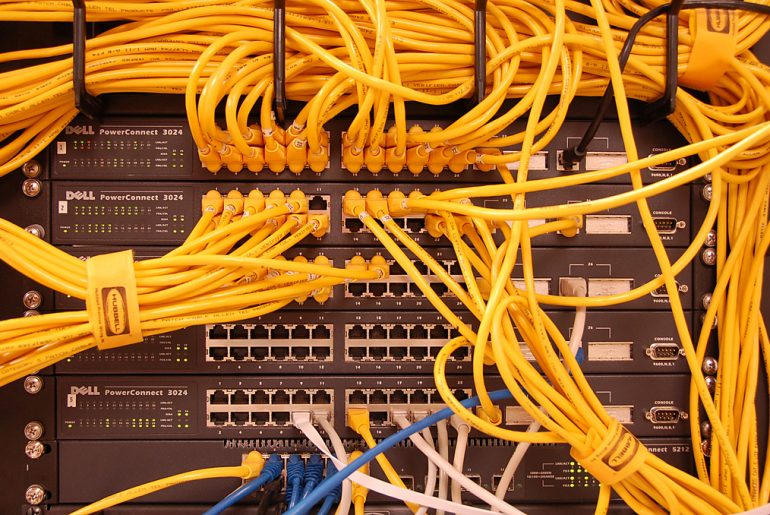
If you’re in the market for server space, chances are you have probably already heard about the dedicated option. To put it simply for those of you who aren’t familiar with it, you can pay to have your own dedicated server, one that will be for your use and your use only, but largely managed by the company you go through.
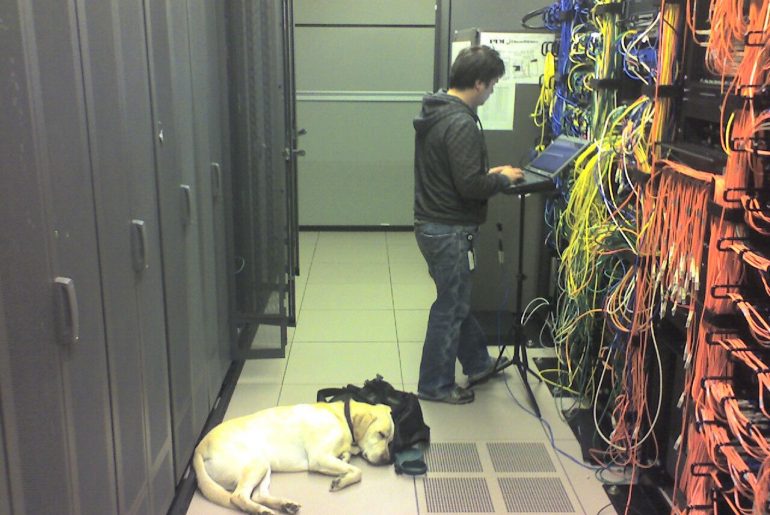
By now, most people who need a server understand that going with a dedicated server would be their best option. It’s like having your own house as opposed to living in a busy apartment building. Most would definitely choose the former. However, with both options, it’s not as easy as all that. Dedicated servers cost a lot more than the kind most of us use, but that doesn’t mean your dreams of having one are impossible.
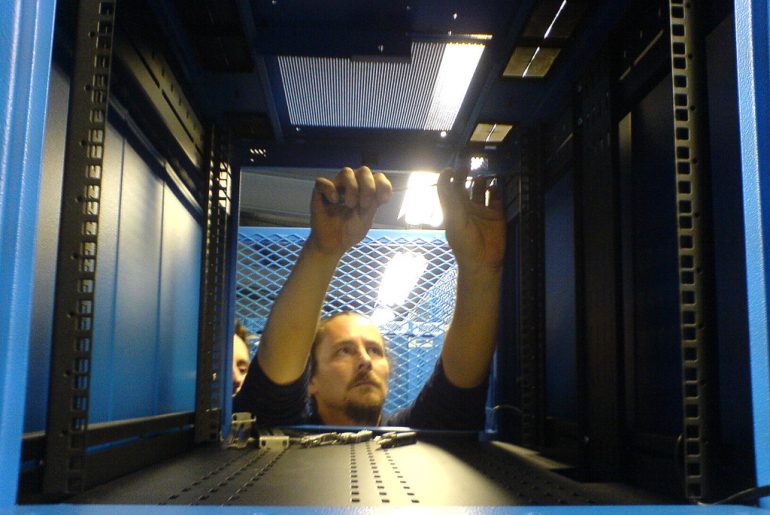
When it comes to choosing a server, you may have a number of features on your checklist. Every individual and company will have their own, unique needs. The good news is that these days, just about everyone can find a solution that fits this distinct profile.
That being said, uptime should always be at the top of your list. Without reliable uptime, you’ll never be happy with your server’s performance. This is one of the best arguments for investing in a dedicated server.