If you’re a system administrator, you probably feel like your work is never done. So, the larger the system, the more of that work that probably needs to be done regularly too. And, no matter what kind of operating system you depend on, so troubleshooting is usually required to resolve problems involving them. For those working with Windows 7, the following command line functions will make this that much easier to do.
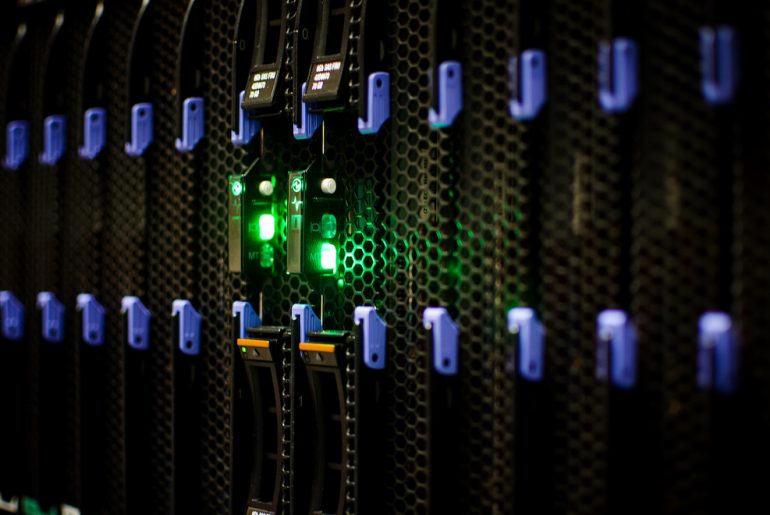
There are a million reasons it pays to keep your server safe. Obviously, if you’re providing it as a business, it’s the only way to ensure customers stay happy. It’s also how you avoid lawsuits. However, for anyone operating a server, for whatever reason, security needs to be the first priority. If that component is jeopardized, the entire server is no longer worth a dime.
Although the digital age has provided us with all kinds of benefits we probably couldn’t live without, it’s also served up a number of challenges too. By far, the biggest of these challenges is probably the risk to digital security. Keeping your server secure is just as important as the security you would employ on a building. In some ways, it may even be more important, considering all the information (social security numbers, customer credit card numbers, payroll figures, etc.) that could be potentially harvested from a hacked server. The following five server security mistakes are ones you should avoid making to keep hackers at bay.
As more people like you and me operate on social media accounts, social media bots or socialbots as they are known as. Are also going to operate more frequently. A socialbot is a software application that automatically interacts in social media sites by imitating human behavior. This simply means that you could be interacting with a social media bot when you think it is a human that you are interacting with. 7% of all Twitter users are believed to socialbots.
The entire computing world is under increasing threat. As more consumers use software applications in their devices, the hackers and malware developers continue to release more malware applications that are far more advanced than before. When you use your PC or your smartphone, you could be passing sensitive information to a malware that is residing in one of the software applications in your device. This threat can be nullified with Software Security Assurance.
Phishing is one of the modern demons of the internet. Phishing includes a range of activities aimed at duping you to reveal sensitive information including your usernames, passwords and banking and credit card information. The success of phishing depends on how much trust the phishing entity is able to generate within you. So, it is always important that you are aware of this scam because you can fall a victim before you know it.
Protecting your PC from the threats of the online world is something that you cannot ignore. To save money from frequent PC repairs and to protect your personal and financial information, you have to have proper antivirus in your PC. The good news is that you don’t need to pay to protect your PC. The reviews of the best free antiviruses software applications will tell you which one to choose for protection.
Have you ever thought how a website opens in your browser once you type the URL and press enter? The entire process is managed by a web server. The web server uses the Hypertext Transfer Protocol (HTTP) to process your request. Whether you click on a link or enter a website URL in your browser, it is the HTTP used by your web browser that opens the website on your browser. This is why a web server is also known as an HTTP server.
Everyone seems to be talking about Windows malware. This is bound to be looking at the number of Windows PCs that sell worldwide. But it’s used in many countries in the world and there are pockets where this is the only OS that sells. The fastest supercomputers of the world all run on Linux. It’s embedded systems are also popular in handheld devices including smartphones and tablets. Thus, Linux malware is not an unknown quantity. If you have a Linux system, you should be aware of the malware that can affect it and stay protected accordingly.
A cyber threat is an effort to access, manipulate, impair or infiltrate data for the purpose of breaking its security, integrity, and confidentiality. This effort is without any lawful authority and can also compromise federal systems or applications. A cyber threat may cause unwanted outcomes and harm an organization or a system. So, these threats can be internal or external and created by organizations or individuals.